
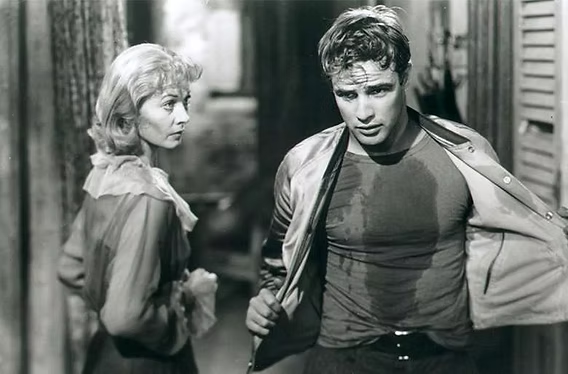
A Streetcar Named Desire holds a special place in my heart. It was one of the first movies that I saw that resided outside of mainstream cinema. Looking back at it now, watching Marlon Brando and Vivien Leigh at fifteen years old, not knowing who they actually were seems surreal. However, no matter how much time passes, whenever I watch this movie, it is as if I am watching it for the first time.
Genre:
Drama
Cast:
Vivien Leigh
Marlon Brando
Kim Hunter
Karl Malden
Peg Hillias
Distributed By:
Warner Bros. Pictures
Duration:
2 hours and 5 minutes
Movie Rating:
8.5/10
Movie Plot:
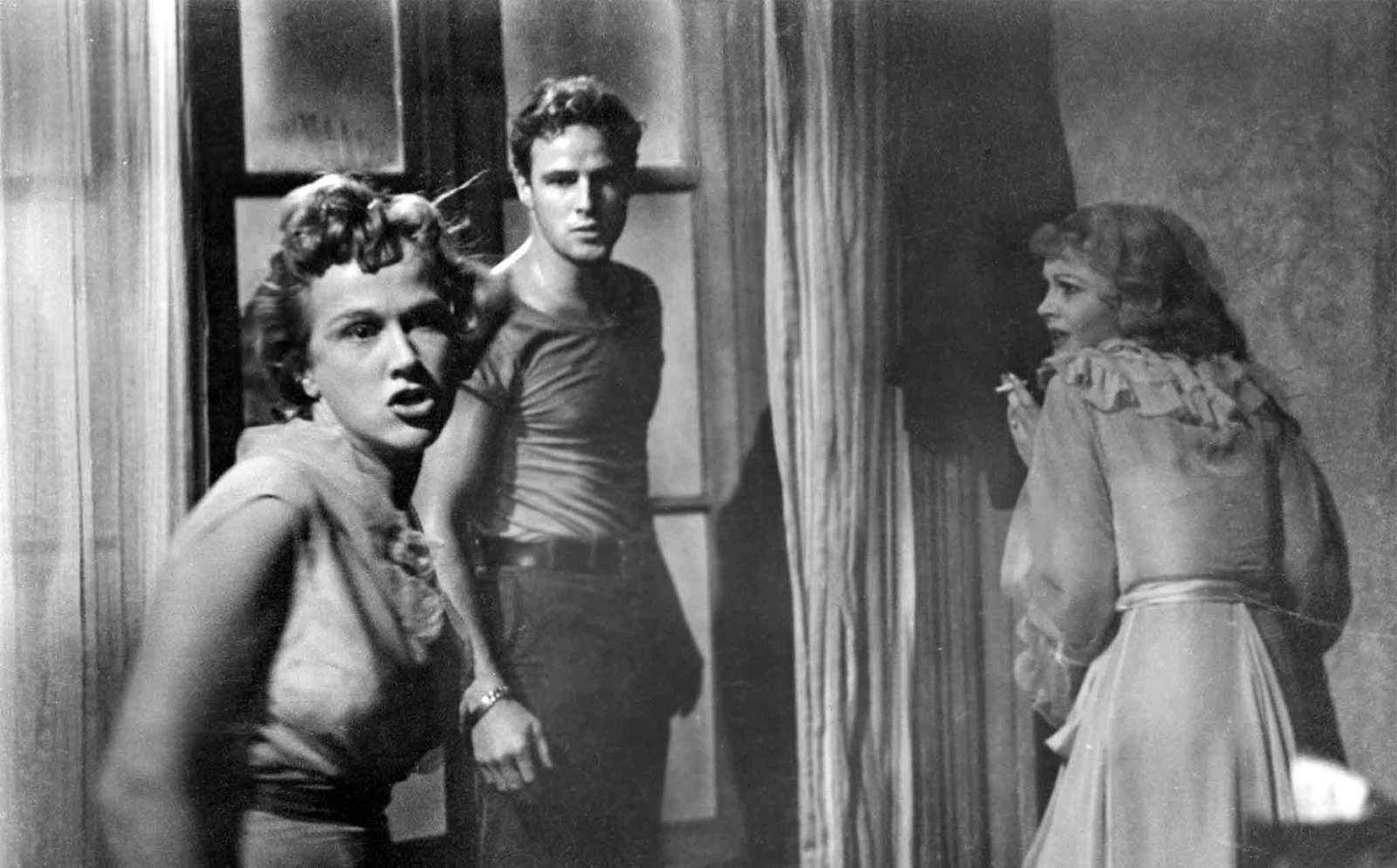
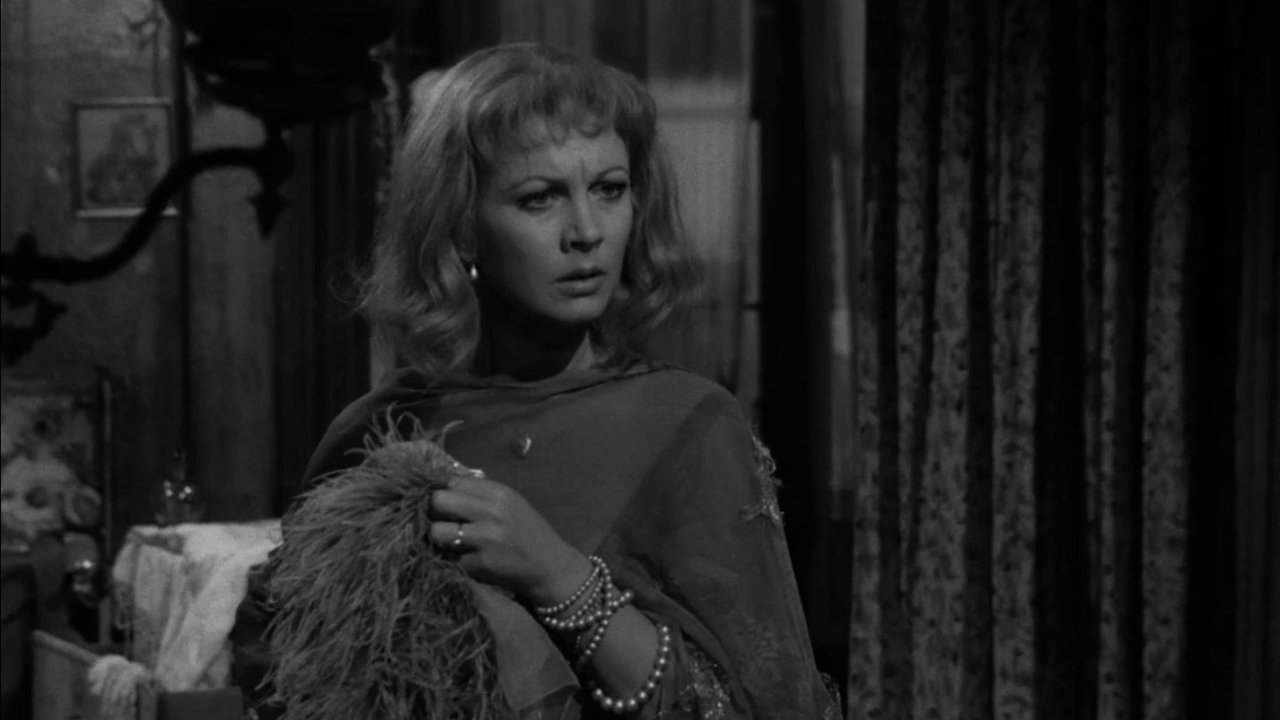
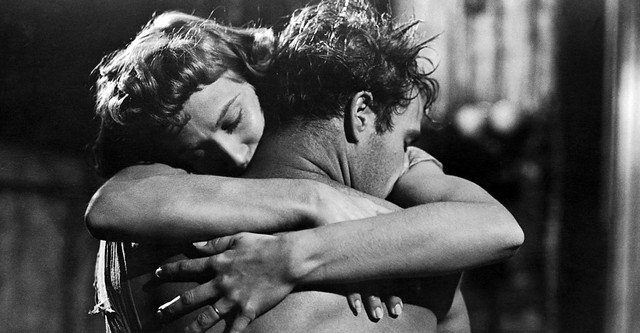
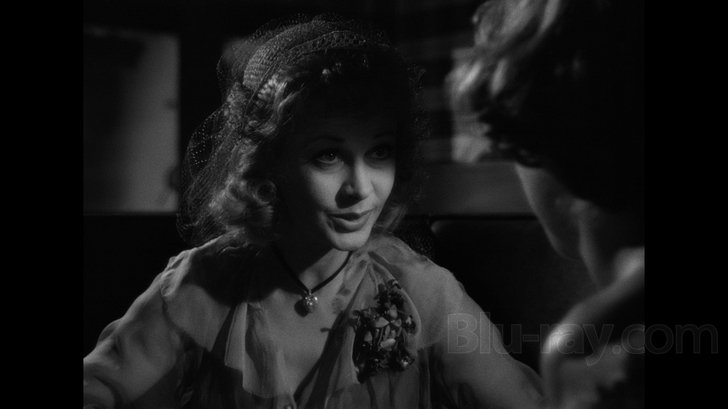
Based on Tennessee Williams’ play of the same name, A Streetcar Named Desire is set in a runned-down New Orleans apartment building where Southern belle Blanche DuBois stays with her sister Stella, and her husband Stanley. From the beginning Blanche’s kindhearted nature and unsteady psyche is immediately tested by her quick-to-anger and painfully realist brother-in-law. In addition to finding out that her sister is pregnant, Blanche witnesses a toxic and passionate relationship between Stella and Stanley. As Stanley examines her dark past, Blanche’s mind is steadily being unraveled by his brutal nature.
Directing and Writing:
Elia Kazan does justice for this cinematic interpretation of the play in a way that no other production could. It is evident that his goal was to convey strong emotions of fear, passion, and all the complexities in between. Credit is due to the amazing performances of Leigh, Brando and Hunter. Kazan’s decision to bring the best actors of his generation to star in one of the most well-known pieces of American art speaks volumes of his brilliance.
And yet, praise should not only be given to the acting, but also to the entire aesthetic of the film. The use of shadows and little lighting in each scene brings the audience into the fantastical reality in which Blanche lives in. The way with which the camera follows the protagonists creates intense moments of intimacy, allowing us to witness how abuse and mistreatment can affect people. What is slightly questionable is the ending. Stella’s decision in the end is quite different than in the play. And I can’t help but wonder, is this wise and/or realistic? It is touching and inspiring, sure. However, how plausible is it during the 1950’s in the U.S. for someone to escape from a mentally unstable husband? Impossible? No. Unlikely? Probably.

Characters:
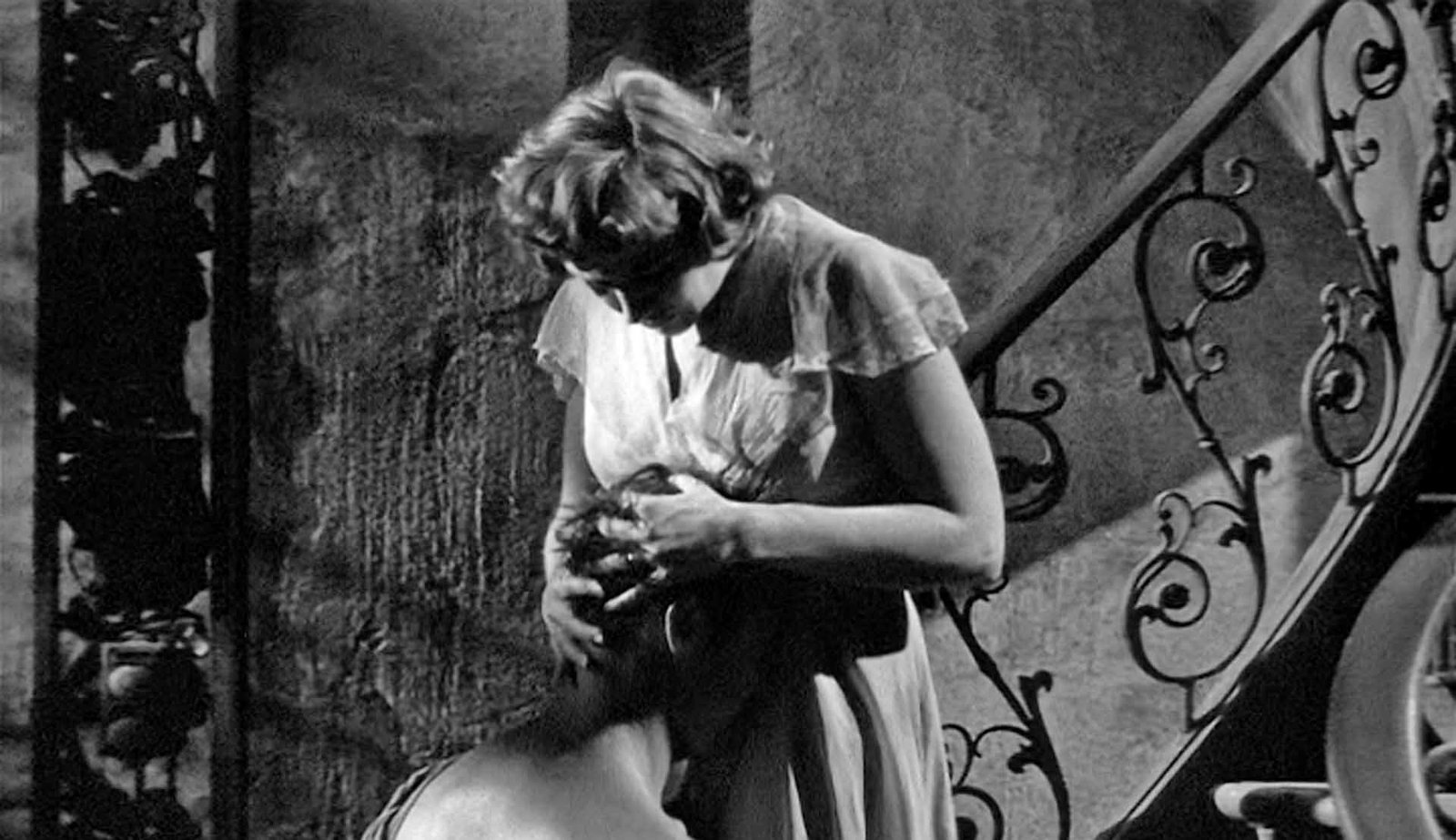
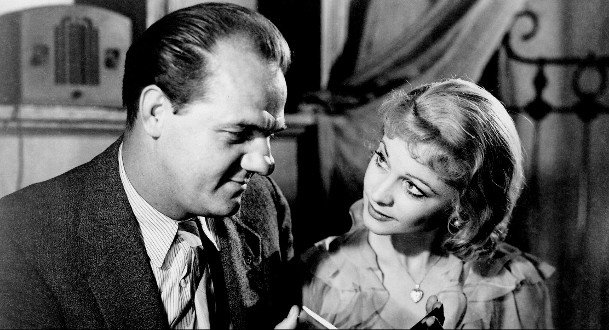
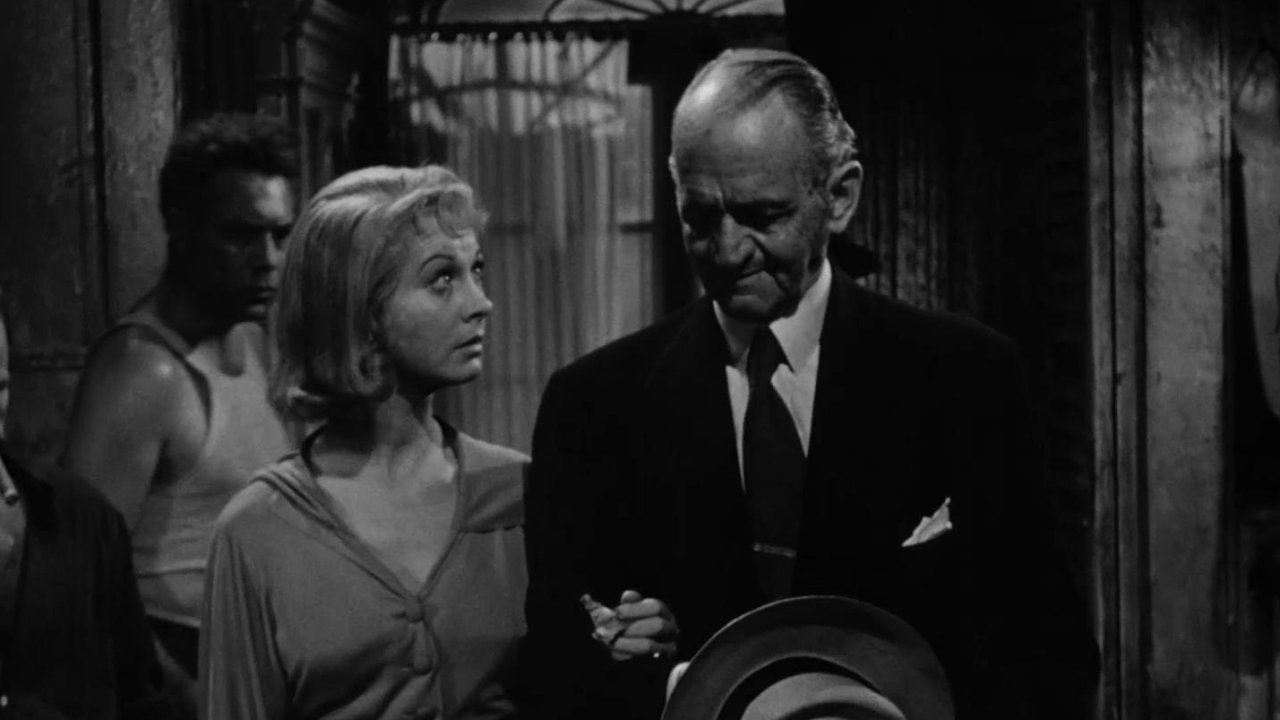
Much can be said about the main characters of A Streetcar Named Desire. There have been many discussions in film and theater studies about them. From analyzing gender roles, to family dynamics, little has not been said about the characters of Blanche, Stanley and Stella. However, I believe that there is one character theme that is worth mentioning: the extremity of Blanche and Stanley. Both are completely opposite sides of a spectrum. Blanche prefers to live in fantasy, whereas Stanley thrives in cold realism. Both preferences end with extreme consequences for both characters.
Blanche stated that she wants magic and Stanley condemns it. She hides in the shadows, but he prides himself of living in the light. But which preference is the best? The answer is none. Brutal realism and willful delusion are both extreme ways of living. And here comes Stella. She endured a toxic relationship, blinded by the passion that she and Stanley shared. She is in the middle of the spectrum, a foot in the world of fantasy and the world of realism. But, in the end she seems to renounce both.
A lot of you know Marlon Brando through his many amazing roles, the most notable being in The Godfather. But whenever I hear his name, I think of his role as Stanley. In my opinion (and that is what it actually is, just an opinion) Brando gave his best performance in A Streetcar Named Desire. That is not to say that his other roles were not sublime. But whenever I watch him as Stanley, how he turns into a stereotypical alpha male just sends a shiver down my spine.
A Streetcar Named Desire is one of those American gems that I believed shaped the entire film industry. It is a beautiful example of how theater can influence cinema, and how cinema can complement theater. Watching the portrayal of Blanche, Stanley and Stella is always the highlight of the film.
Nevertheless, whenever I watch it, I can’t help but wonder: Can this movie appeal to the modern audience? Is it too violent? Is it too misogynistic? Can it still captivate viewers, like it once did? I like to think so. The story itself is timeless. It gives a glimpse of a bygone era, how the 1950’s where in the U.S. Nevertheless, no matter how old the movie is there are a lot of people who can see how somethings, such as family violence and mistreatment can still be relevant today as well.
Overall, A Streetcar Named Desire is a film that deserves high praise. I know there is a lot of reservation towards old black and white films, but this is one that you should put on your list. It is classic and it is moving. It calls you to choose: Realism or magic? Brutal strength or kindness?